My Journey into Local SEO: Unlocking San Diego’s Hidden Digital Gems
As a small business owner in San Diego, I remember the first time I realized how crucial local SEO was for my growth. I had invested so much in creating a beautiful website, but I was still invisible to potential customers searching nearby. That moment sparked my curiosity and led me down the path of mastering local SEO strategies that truly work in San Diego.
Why Local SEO Matters Specifically in San Diego
San Diego’s vibrant local market is unique—ranging from beachfront cafes to tech startups. To stand out, I learned that understanding the community and leveraging local SEO techniques is vital. According to Moz, local SEO helps businesses appear in the coveted Google local pack, which is essential for attracting nearby customers. I realized that optimizing for local search not only boosts visibility but also builds trust within the community.
My Top Proven Strategies for Boosting Local Rankings
How Do I Optimize My Google Business Profile Effectively?
One of the most impactful steps was optimizing my Google Business Profile. I made sure every detail was accurate and complete, added high-quality photos, and encouraged happy customers to leave reviews. This directly improved my local pack presence and increased foot traffic. For a step-by-step guide, I refer to Google Business Profile SD.
Additionally, I focused on local keyword integration throughout my website, such as “San Diego SEO Strategies” and “local search optimization in San Diego.” Incorporating these naturally into my content helped Google understand my relevance in the local market.
What Can I Do to Dominate Local Search in 2025?
Looking ahead, I believe that integrating Maps SEO California strategies and enhancing my local pack presence will be crucial. I regularly monitor my rankings and adjust my SEO tactics accordingly. For those interested, I highly recommend exploring Maps SEO California for the latest insights.
If you’re serious about improving your local search visibility, remember that consistency and community engagement are key. Share your experiences or ask questions below—I love connecting with fellow San Diego entrepreneurs!
Beyond Basic Optimization: Harnessing Local Schema Markup for Enhanced Visibility
While optimizing your Google Business Profile is fundamental, integrating local schema markup into your website’s code can further elevate your local search presence. Schema markup provides search engines with detailed information about your business, such as operating hours, services, and geographic location, making your listings more informative and attractive in search results. For example, adding schema for your San Diego-based bakery can help your business appear with rich snippets, including star ratings and menu details, directly in the search results, thereby capturing more attention and clicks.
How Can Customer Engagement Amplify Local SEO Efforts?
Engaging actively with your local community through reviews, social media, and local events can significantly boost your local SEO. Responding to reviews not only builds trust but also signals to Google that your business is active and customer-focused. Hosting or sponsoring community events and sharing these experiences online can generate local backlinks and media coverage, further enhancing your authority and relevance in San Diego’s market. Remember, local SEO isn’t just about technical tweaks; it’s about creating authentic connections that resonate within your community.
What Are Common Pitfalls to Avoid in Local SEO?
Despite the best intentions, many businesses stumble into pitfalls that hinder their local SEO progress. Over-optimizing keywords, neglecting mobile usability, or inconsistent NAP (Name, Address, Phone Number) data can cause confusion and reduce rankings. Additionally, ignoring the importance of local backlinks or failing to update your Google Business Profile regularly can make your efforts less effective. Staying vigilant and adhering to best practices, such as those outlined in Search Engine Journal’s Local SEO guide, ensures sustained success in competitive markets like San Diego.
How Do I Stay Ahead in San Diego’s Dynamic Local Search Landscape?
Keeping pace with evolving algorithms and consumer behaviors requires continuous learning and adaptation. Regularly monitoring your local rankings, analyzing competitors, and experimenting with new strategies—like localized content marketing or voice search optimization—are essential. Tools such as BrightLocal or Moz Local can help track your progress and identify new opportunities. For tailored insights, consider exploring Moz’s future-focused local SEO strategies. Remember, the key is to remain flexible and committed to providing value that meets the specific needs of your San Diego audience.
If you’ve found this deep dive helpful, why not share your own experiences or questions? Engaging with fellow entrepreneurs can spark new ideas and strategies for dominating local search.
Refining Local SEO: Embracing the Nuances of San Diego’s Diverse Neighborhoods
One aspect I didn’t fully appreciate at the start was how deeply San Diego’s neighborhoods differ—not just geographically but culturally and digitally. When I began tailoring my SEO strategies, I realized that what works in La Jolla might not resonate in City Heights or Barrio Logan. This realization pushed me to develop hyper-local content that genuinely connects with each community’s unique vibe. For example, highlighting local events or stories in Barrio Logan helped my business appear more authentic and relevant, which Google loves. This approach isn’t just about keywords; it’s about understanding the soul of each neighborhood and translating that into your online presence.
How Do I Balance Optimization with Authentic Community Engagement?
Early on, I struggled with the fine line between optimizing for search engines and maintaining genuine community relationships. Over-optimization can sometimes feel transactional, and I learned that real engagement—responding to reviews, sponsoring local events, sharing stories—builds trust and authority that algorithms can’t ignore. For instance, I started sharing behind-the-scenes looks at local events my business sponsored, which not only generated content but also fostered authenticity. Moz’s recent insights on community signals emphasize that search engines are increasingly valuing local trustworthiness and social proof, which personal engagement nurtures naturally. I invite you to share your experiences below—what’s worked for you in building authentic local relationships?
Deep Dive: Navigating the Challenges of Local Schema Markup Implementation
Schema markup can seem daunting at first, especially when trying to implement it correctly without technical errors. I remember spending hours troubleshooting my bakery’s schema, trying to ensure it displayed rich snippets properly. The key was to use the right structured data types for my business and test everything with Google’s Rich Results Test tool. Proper schema implementation can make your listing stand out—showing star ratings, menu info, or upcoming events—directly in the search results. For those interested, I recommend exploring Maps SEO California for advanced tips on schema and local ranking factors. Have you faced challenges with schema? I’d love to hear your insights or questions below.
What’s Next? Preparing for the Ever-Evolving Landscape of Local Search
Staying ahead in San Diego’s competitive local market requires agility. Beyond technical SEO, I’ve found that embracing new trends like voice search and AI-driven local content can give you an edge. I’ve begun experimenting with conversational keywords and optimizing for voice queries—think “best sushi near me”—which are becoming increasingly popular. Tools like BrightLocal help me monitor my progress, but I also stay connected to industry updates through blogs and webinars. The landscape is constantly shifting, but the core remains: providing real value to your local community. I encourage you to explore Moz’s future-focused strategies for a glimpse of what’s coming next. How are you adapting your local SEO approach for 2025?
If you found this personal journey insightful, I’d love for you to share your stories or ask questions. After all, mastering local SEO is a continuous adventure, and sharing our experiences makes us all better.
Harnessing Hyper-Local Data for Next-Level SEO Precision
One of the most transformative insights I gained was the power of hyper-local data aggregation. By leveraging sophisticated tools like Factual or PlaceIQ, I was able to analyze granular demographic and behavioral data specific to San Diego neighborhoods. This allowed me to craft highly targeted content and local campaigns that resonated deeply with distinct community segments. For instance, understanding the unique preferences of young professionals in downtown San Diego enabled me to optimize content that spoke directly to their lifestyle, significantly boosting engagement and local search relevance. Incorporating such comprehensive data not only elevates your local SEO game but also fosters authentic community connections that Google’s algorithms increasingly reward.
What Advanced Tactics Can Elevate My Local SEO Strategy Beyond the Basics?
Beyond traditional optimization, integrating voice search optimization tailored for San Diego’s diverse population can provide a significant edge. Voice queries, which often contain conversational language and local intent, are rapidly rising—especially among mobile users. To capitalize, I focused on long-tail keywords and natural language phrases that people are likely to speak. Additionally, optimizing for Google’s BERT algorithm updates by creating semantically rich content helped my business stay ahead of the curve. For a comprehensive guide on mastering voice search in local SEO, I recommend exploring Moz’s in-depth resources on voice optimization. Have you experimented with voice search yet? Sharing your experiences can spark innovative ideas for expanding your local reach.
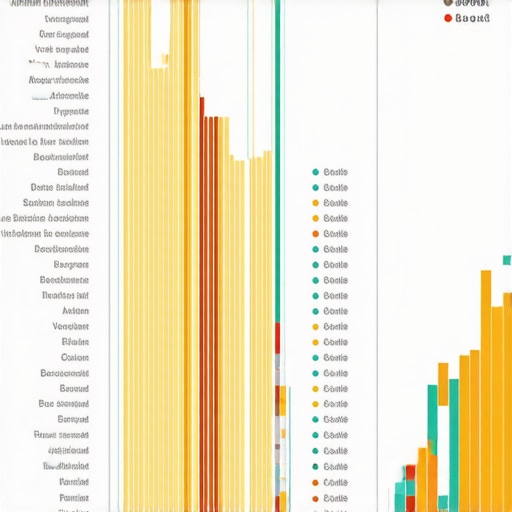
Visualizing the impact of localized data-driven strategies can be challenging, but a compelling infographic illustrating demographic overlays and keyword targeting in San Diego neighborhoods can make complex concepts tangible. This visual aid would beautifully complement the narrative, translating sophisticated data insights into actionable visual strategies that resonate with both novice and advanced marketers.
How Do I Cultivate a Community-Centered Content Ecosystem?
Building ongoing relationships through community-centered content is critical. I began developing a content calendar that incorporated local stories, interviews with neighborhood leaders, and coverage of community events. This not only enriched my site’s local relevance but also encouraged user-generated content and backlinks from local blogs and news outlets. Engaging actively on social platforms like Nextdoor or Instagram Stories allowed me to listen and respond to community needs, reinforcing my brand’s authenticity. As Search Engine Journal highlights, authentic local engagement signals trustworthiness to Google, which can dramatically improve rankings. What community stories or initiatives have you found most effective in strengthening your local SEO presence? I’d love to hear your insights and foster a shared learning experience.
Things I Wish I Knew Earlier
Understanding Local Nuances
One surprising realization was how deeply San Diego’s neighborhoods differ, not just geographically but culturally and digitally. Tailoring my SEO strategies to these unique vibes made a significant difference in engagement and visibility.
The Power of Authentic Community Engagement
Early on, I underestimated how genuine interactions—responding to reviews, sponsoring local events—could boost my local SEO. Building real relationships fostered trust and improved my search rankings naturally.
Beyond Basic Optimization
Implementing local schema markup seemed daunting initially, but seeing rich snippets with star ratings and menus in search results made me appreciate its value. Proper technical setup can truly elevate your local presence.
Data-Driven Decisions
Leveraging hyper-local data helped me craft more targeted content, resonating with specific community segments. This granular approach brought my local SEO efforts to a new level of precision.
Staying Ahead of Algorithm Changes
Keeping pace with evolving algorithms like BERT and voice search required continuous learning. Regularly updating my strategies based on industry insights kept me competitive.
Resources I’ve Come to Trust Over Time
- Moz Blog: An industry goldmine for SEO insights, especially their local SEO guides that helped me understand complex concepts in simple terms.
- Google’s My Business Help Center: Essential for mastering Google Business Profile optimization and staying updated on platform features.
- Search Engine Journal: Offers comprehensive updates and strategies that keep me informed about the latest SEO trends and best practices.
- BrightLocal Blog: A fantastic resource for local SEO tools, case studies, and actionable tips tailored to local marketers.
Parting Thoughts from My Perspective
Reflecting on my journey into local SEO, especially within the vibrant San Diego market, I realize that authentic community engagement combined with smart technical strategies creates the strongest foundation for success. Local SEO isn’t just about rankings; it’s about building trust, connections, and a genuine presence in your community. If you’re serious about making an impact locally, stay curious, keep learning, and let your community be your guide. If this resonates with you, I’d love to hear your thoughts—share your experiences, questions, or wins below. Let’s grow together and make our local markets thrive!