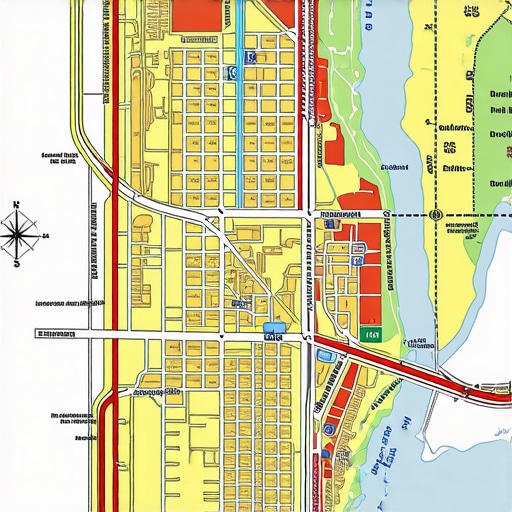
My Journey into the World of Local SEO and the San Diego Map Pack
As a small business owner in San Diego, I vividly remember the first time my business appeared in the local map pack. It was a game-changer. The surge in local traffic and customer inquiries made me realize how crucial local SEO is. Since then, I’ve dedicated myself to understanding the intricacies of map pack ranking, especially as 2024 approaches with new challenges and opportunities.
Understanding the Power of Local Pack Optimization
Optimizing for the local map pack isn’t just about keywords; it’s about a holistic approach. I learned that factors like Google My Business optimization, consistent NAP (Name, Address, Phone Number) information, and customer reviews play pivotal roles. To boost my local presence, I focused on Google Business Profile optimization. This step-by-step guide was instrumental in helping me understand how to make my profile stand out in the crowded San Diego market.
How Can Local SEO Strategies Elevate Your Business?
In my experience, applying proven SEO techniques like local keyword targeting, local backlinks, and schema markup significantly improved my rankings. I’ve seen firsthand how these methods help businesses dominate local searches. For instance, I experimented with maps SEO strategies in California to refine my approach. The results? A steady climb in visibility and customer engagement.
My Personal Tips for Dominating the San Diego Map Pack
Here’s what worked for me: regular updates to my Google Business Profile, encouraging satisfied customers to leave reviews, and ensuring my NAP consistency across directories. I also discovered that engaging with local communities and directories can boost rankings further. It’s a continuous process, but the payoff is worth it.
What’s the secret sauce to maintaining top rankings in the San Diego map pack?
Consistency and authenticity are key. Regularly updating your profile, responding to reviews, and maintaining accurate NAP information create trust and relevance. Don’t forget, Google values user experience, so providing accurate and helpful information should be your priority. For deeper insights, I recommend checking out this resource.
If you’re serious about local SEO, I encourage you to share your experiences or ask questions in the comments. Let’s learn from each other and grow our local businesses together!
Leveraging Local Data Insights to Fine-Tune Your Map Pack Strategy
Deepening your understanding of local search behavior can be a game-changer in maintaining top rankings. By analyzing customer interactions, search trends, and competitor movements, you can adapt your SEO tactics proactively. Tools like Moz’s Local Search Data provide valuable insights into what your local audience is seeking. Regularly reviewing this data helps you identify emerging keywords and service gaps, ensuring your profile remains relevant and competitive.
The Role of Niche Community Engagement in Local SEO
Beyond traditional optimization, integrating your business within local niche communities can dramatically boost your visibility. Participating in local forums, sponsoring community events, or collaborating with neighborhood influencers builds authentic trust and generates high-quality backlinks. These efforts not only enhance your local authority but also signal to Google that your business is a vital part of the community fabric. For practical tips on community engagement, visit this resource.
How Can Advanced Schema Markup Elevate Your Local Pack Presence?
Implementing sophisticated schema markup can significantly improve how search engines interpret your business information. Rich snippets, such as product availability, event details, or special offers, make your listing stand out and attract clicks. Schema.org offers a comprehensive guide to schema types that can be tailored to your niche. Proper schema implementation not only enhances your local pack appearance but also increases trustworthiness and user engagement. For a step-by-step approach, consult this guide.
What are the latest Google algorithm updates affecting local rankings, and how can you adapt?
Staying ahead of Google’s evolving algorithms is crucial. Recent updates emphasize the importance of user experience signals, such as click-through rates, review quality, and site speed. Google’s focus on AI-driven understanding means your content and reviews need to be authentic and high-quality. Regularly monitoring your local rankings and analyzing fluctuations can reveal insights into algorithm shifts. To keep your strategies current, I recommend following authoritative sources like Search Engine Land for the latest news and updates.
If you’ve experimented with any of these advanced tactics or have insights to share, I invite you to comment below. Sharing knowledge helps our local business community thrive and stay competitive in the dynamic San Diego market!
Embracing the Nuances of Local Search Algorithms and User Intent
One of the most fascinating aspects of my journey has been understanding how Google’s local search algorithms evolve—not just through formal updates, but in response to shifting user behaviors and expectations. For instance, I noticed that as mobile usage surged, local searches became more intent-driven, with users looking for immediate solutions rather than broad information. This made me realize that optimizing for the San Diego map pack isn’t solely about keywords or citations; it’s about aligning with nuanced user intent. By analyzing search queries that lead to high engagement, I refined my approach, incorporating long-tail, conversational keywords and ensuring my content answered specific local needs. For deeper insights into these algorithm shifts, Search Engine Land offers detailed analyses that helped me stay ahead.
How Do You Leverage Local Data for Predictive SEO? An Insider’s Reflection
Initially, I thought data was only useful for reactive strategies—fixing what was broken. But over time, I learned to harness local search data proactively. Using tools like Moz’s local search insights, I began tracking emerging trends before they became mainstream. For example, I identified a rising interest in eco-friendly services in San Diego, which allowed me to optimize my profile and content accordingly. This predictive approach not only boosted my rankings but also positioned me as a forward-thinking local business. It’s a nuanced dance—reading between the lines of data to anticipate future demands. If you’re curious about implementing this, check out Moz’s Local Search Data for detailed strategies.
Personal Reflection: Balancing Authentic Community Engagement with SEO Tactics
One of the more complex challenges I faced was integrating authentic community engagement into my SEO strategy without it feeling forced or superficial. I found that genuine participation—sponsoring local events, collaborating with neighborhood influencers, or contributing to community forums—created high-quality backlinks and enhanced my local authority. However, it requires consistent effort and authentic intent. Over time, I realized that these activities fostered trust and built a network of local advocates who naturally amplified my presence. It’s a delicate balance—authenticity over tactics—but one that yields sustainable, long-term results. For practical tips on community engagement, I recommend exploring this resource.
What Are the Hidden Layers of Schema Markup That Can Transform Your Local Pack Visibility?
Implementing schema markup is a step I underestimated at first. Beyond basic contact info, rich snippets—like event details, service offerings, or product availability—can dramatically elevate your listing. I experimented with adding schema for local events and service types, which resulted in more eye-catching entries and higher click-through rates. The challenge was learning to tailor schema to my niche effectively. Schema.org provides comprehensive guides, but the real trick is aligning your markup with what users seek and Google values. Proper implementation can make your listing stand out in crowded results, as I experienced firsthand. To get started, this guide was invaluable.
How Can You Stay Agile Amidst Rapid Google Algorithm Changes?
Staying agile has been crucial. I learned to monitor my local rankings daily, watching for sudden fluctuations that might indicate algorithm shifts. Adapting quickly meant revisiting my strategies—updating reviews, refining keywords, and enhancing user experience. I also subscribed to industry newsletters and participated in local SEO forums, which kept me informed of the latest developments. Recognizing that Google’s focus on quality signals—like review authenticity and site speed—continues to grow, I made sure to prioritize these aspects. If you want to keep pace with evolving algorithms, I recommend following Search Engine Land for timely updates. Your ability to adapt swiftly can be the difference between maintaining and losing your top spot.
Exploring these advanced facets of local SEO has deepened my understanding and helped me craft a more resilient, nuanced approach. I invite you to share your experiences or ask questions—sometimes, the most profound learning comes from shared stories and honest discussions. Let’s continue this journey of mastering the San Diego map pack together!
Deciphering Google’s Evolving Local Search Algorithms for Competitive Edge
Staying ahead in the San Diego local SEO landscape requires more than just standard optimization; it demands an in-depth understanding of Google’s algorithmic shifts and their implications. Recent updates emphasize the importance of user engagement signals, such as dwell time and review authenticity, which directly influence local pack rankings. To adapt, I meticulously analyze fluctuations in my rankings using tools like Moz’s Local Search Data, identifying patterns that suggest algorithmic adjustments. This proactive approach allows me to refine my strategies—enhancing review quality, optimizing site speed, and ensuring content relevance—thus maintaining my competitive advantage in San Diego’s bustling local market.
Leveraging Advanced Schema Markup for Increased Click-Through and Engagement
Implementing sophisticated schema markup has been a game-changer in elevating my local listings. Beyond basic contact information, I deploy rich snippets such as event details, service offerings, and product availability, which significantly enhance my visibility and attract more clicks. For example, adding schema for local events related to community initiatives not only boosts relevance but also fosters trust among potential customers. The challenge lies in tailoring schema effectively to match user intent and Google’s expectations. I recommend consulting this comprehensive guide to master schema implementation. The results? A more compelling, informative presence that outshines competitors in crowded search results.
How Can Deep Local Data Analytics Drive Predictive SEO and Future-Proof Your Strategy?
My journey into predictive SEO has revealed that analyzing local data isn’t merely reactive but a strategic tool for anticipating future trends. By closely monitoring search patterns, customer behavior, and competitor movements, I identify emerging niches—such as eco-friendly services in San Diego—that inform my content and service adjustments well before they become mainstream. This foresight positions my business as a leader, driving sustained rankings and customer loyalty. Tools like Moz’s Local Search Data provide invaluable insights, enabling me to craft proactive strategies that keep my business resilient amid algorithmic and market changes. I encourage you to embrace this analytical mindset to stay ahead of the curve.
Authentic Community Engagement as a Long-Term SEO Asset
Engaging genuinely with local communities has transformed my SEO approach from superficial tactics to sustainable relationships. Participating in local forums, sponsoring neighborhood events, and collaborating with influencers created high-quality backlinks and established my authority within San Diego. The key is authenticity—building relationships rooted in mutual value rather than opportunism. Over time, these efforts foster trust, leading to organic mentions and referrals that Google recognizes as signals of authority. For practical tips, explore this resource. Genuine community involvement not only enhances rankings but also solidifies your brand as an integral part of the local fabric.
What Are the Top Strategies for Sustaining Map Pack Leadership Amid Algorithmic Changes?
Sustaining a top spot requires agility and continuous optimization. Regularly auditing your NAP consistency across directories, responding promptly to reviews, and updating your profile with fresh content are fundamental. Additionally, monitoring local search trends allows me to adapt quickly—whether it’s updating keywords or expanding service descriptions—to align with evolving user preferences. I also leverage these proven techniques to refine my approach. Staying informed through industry news, such as Search Engine Land, ensures I respond swiftly to updates, preserving my competitive edge. The secret? Flexibility, data-driven decisions, and authentic engagement form the cornerstone of long-term success.
Engaging with these advanced strategies has deepened my mastery of local SEO, enabling me to adapt confidently to an ever-changing landscape. I invite you to share your insights or ask questions—let’s learn from each other’s experiences and elevate our San Diego businesses to new heights in 2024 and beyond!
Things I Wish I Knew Earlier (or You Might Find Surprising)
The Power of Authentic Engagement
Early in my journey, I underestimated how genuine community involvement could significantly impact my local rankings. Participating in local events and collaborating with neighborhood influencers created organic backlinks and fostered trust, which Google values highly. I remember sponsoring a San Diego charity run and noticing a spike in my profile visits—an eye-opener that authenticity beats superficial tactics every time.
The Hidden Impact of User Experience Signals
What truly surprised me was how metrics like dwell time, review authenticity, and site speed influence my map pack rankings. Optimizing my website for mobile and ensuring quick load times made a noticeable difference. It’s a reminder that Google prioritizes user satisfaction, so providing a seamless experience is crucial for local success.
Beyond Keywords: Understanding User Intent
I used to focus solely on local keywords, but I soon realized that aligning my content with what users actually want—like local guides or community news—boosted engagement. For example, creating blog posts about popular San Diego spots helped attract more local traffic and improved my map pack visibility.
The Role of Data Analytics in Predictive SEO
Analyzing local search trends and customer behavior allowed me to anticipate shifts before they became mainstream. Spotting a rising interest in eco-friendly services, I tailored my content accordingly, which kept my business ahead of competitors in the San Diego market. Tools like Moz’s local insights became my secret weapon for staying proactive.
The Unexpected Value of Schema Markup
Implementing rich snippets, such as event details and service offerings, made my listing stand out. I found that schema can dramatically increase click-through rates if used thoughtfully. For instance, highlighting special local events brought more foot traffic and online inquiries, reinforcing the importance of structured data.
Resources I’ve Come to Trust Over Time
- Google’s Official Business Blog: It’s the first place I check for updates directly from Google, offering reliable insights on algorithm changes and best practices.
- Moz’s Local Search Data: This tool helped me understand local search patterns and adapt my strategies proactively. I highly recommend it for anyone serious about local SEO.
- Search Engine Land: Their expert analyses keep me informed about industry trends and algorithm updates, making me feel more prepared for upcoming changes.
- Schema.org: The definitive resource for understanding and implementing schema markup effectively. It’s been invaluable for enhancing my listings.
Parting Thoughts from My Perspective
Mastering San Diego’s local map pack in 2024 is all about blending authentic community engagement with data-driven strategies. From understanding user intent to leveraging schema markup, every small step contributes to a stronger local presence. My biggest takeaway? Stay adaptable, prioritize real interactions, and never underestimate the power of a well-optimized Google Business Profile. If this resonated with you, I’d love to hear your thoughts—let’s grow our local businesses together. Share your experiences or ask questions in the comments, and let’s keep the conversation going!